
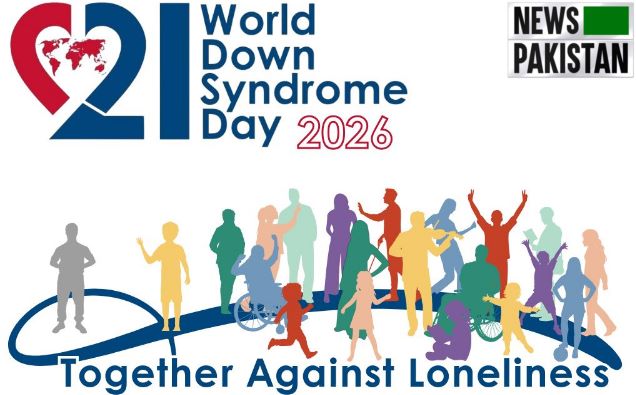
KARACHI (NPTV/UN): ‘Together Against Loneliness’ is the theme of 2026 World Down Syndrome Day, that is annually observed all over the globe on 21st of March.
The theme focuses on raising awareness of how loneliness disproportionately affects people with Down Syndrome and other intellectual disabilities, as well as their families. It attempts to stress on the fact that loneliness is not just an emotional feeling but a serious health issue that can lead to anxiety, depression, and physical harm, often linked to social exclusion and stigma.
United Nations, by means of this campaign, calls for real inclusion in schools, workplaces, and communities, emphasizing that being present does not equate to being included or truly connected. It stresses that everyone – individuals, families, organizations, schools, employers, and governments – has a role in creating welcoming spaces and meaningful relationships to help people feel they belong.
Loneliness, a human rights issue: Ultimately, the theme frames loneliness as a human rights issue, urging collective action to turn the UN Convention on the Rights of Persons with Disabilities into concrete change that ends isolation and promotes full participation in society.
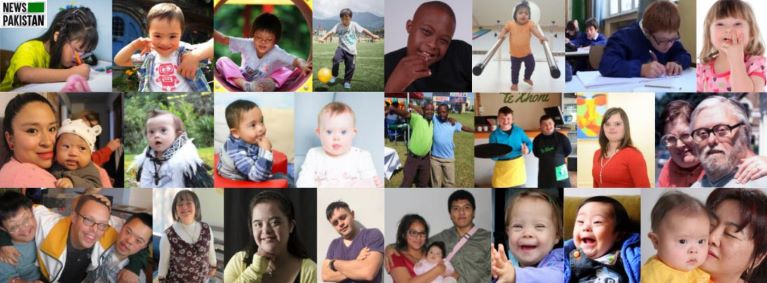
In order to raise public awareness of Down Syndrome, the General Assembly invites all Member States, relevant organizations of the United Nations system and other international organizations, as well as civil society, including non-governmental organizations and the private sector, to observe World Down Syndrome Day in an appropriate manner.
Down Syndrome occurs when an individual has an extra partial (or whole) copy of chromosome 21. It is not yet known why this syndrome occurs, but Down Syndrome has always been a part of the human condition.
It exists in all regions across the globe and commonly results in variable effects on learning styles, physical characteristics and health. Adequate access to health care, to early intervention programs, and to inclusive education, as well as appropriate research, are vital to the growth and development of the individual.
The estimated incidence of Down Syndrome is between 1 in 1,000 to 1 in 1,100 live births worldwide. Each year, approximately 3,000 to 5,000 children are born with this chromosome disorder.
The quality of life of people with Down Syndrome can be improved by meeting their health care needs, including regular check-ups with health professionals to monitor mental and physical condition and to provide timely intervention be it physiotherapy, occupational therapy, speech therapy, counselling or special education.
Individuals with Down Syndrome can achieve optimal quality of life through parental care and support, medical guidance, and community based support systems such as inclusive education at all levels. This facilitates their participation in mainstream society and the fulfillment of their personal potential.
End the stereotypes: A stereotype is a set idea that people have about what someone or something is like. Stereotypes can be positive, negative or neutral, but they are often inaccurate, or simply wrong! Stereotypes are often based on limited information or personal experience.
They can be reinforced by the way something is represented in the media or by cultural messages. Once formed, a stereotype can be difficult to change. For people with Down Syndrome and intellectual disabilities, stereotypes can stop us from being treated like other people.
Newspakistan.tv

Professor at Iqra University, writes on UN activities, health and social issue.